Welcome to The Mindful Motion Physical Therapist Specialist

2026-02-13
I always wonder how much core muscle strengthening a person needs. The phrase “strengthen your core” is used so often—especially in the context of managing back pain—that it has almost become a universal prescription. Yet despite diligent core strengthening, many patients continue to experience persistent pain or achiness.
There has been sustained enthusiasm within the fields of physical medicine and rehabilitation to improve core strength to reduce back pain in patients, or to enhance athletic performance. But an important question stays: Is there robust evidence that good core strength prevents back pain, or can individuals experience back pain despite having strong core muscles?
This article explores common misconceptions surrounding core strength and its role in lower back pain.
The word “core” has been popular in media, physical therapy field and professional journals for the past two- three decades. What exactly does core mean? The definition of the “core” is ambiguous and varies across disciplines.
Anatomically, the core refers to the central region of the body that protects vital organs. In the exercise and rehabilitation context, the core typically describes the muscles surrounding the spine and pelvis that are thought to function as a corset, providing stability to the spine.

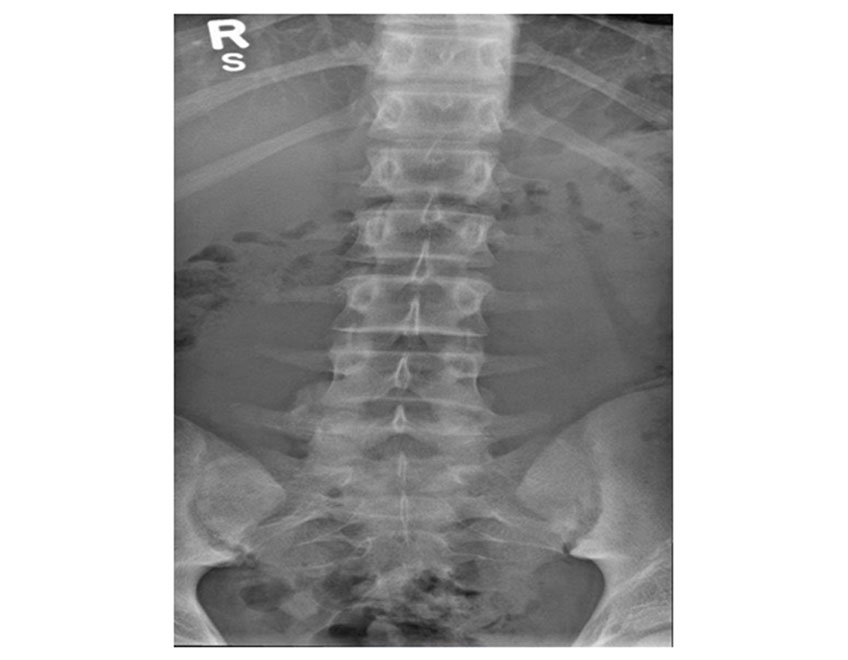
Many healthcare professionals operate under the assumption that low back pain results from identifiable structural or biomechanical abnormalities. However, research shows that only about 8–15% of patients with low back pain show clear pathoanatomical causes. The vast majority are diagnosed with non‑specific low back pain (NSLBP).
Despite this, NSLBP is often treated as if it were caused by spinal instability or poor motor control. Consequently, patients are prescribed core stabilization exercises aimed at improving spinal stability. Yet multiple studies have shown no meaningful long‑term difference between general exercise programs and core stabilization exercises in reducing pain or disability4.
Research by Steiger et al. further suggests that improvements in pain, disability, or physical function in chronic low back pain are not directly attributable to changes in muscle strength or endurance. This finding is unsurprising, as NSLBP is a complex, multifactorial condition.
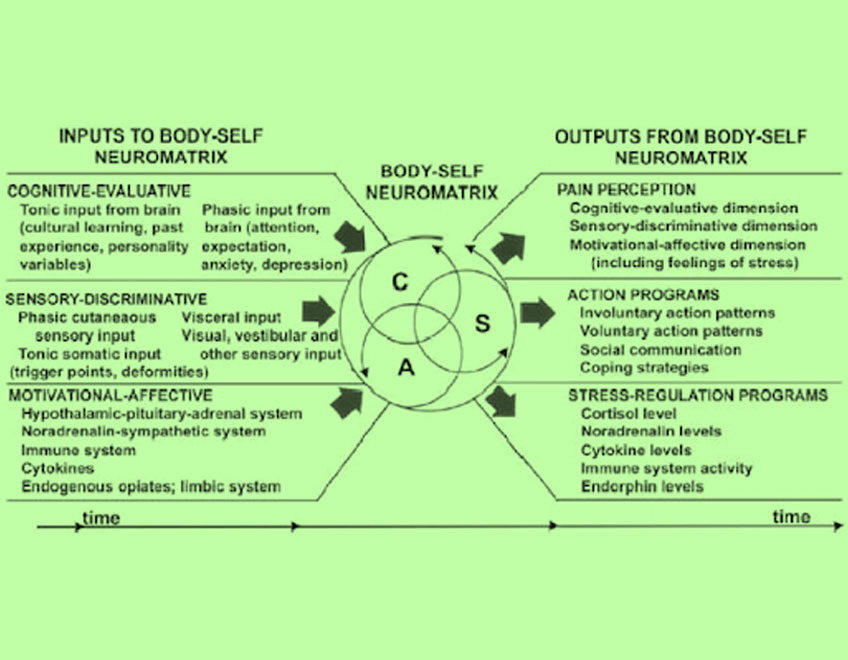
Psychosocial factors—including fear, anxiety, depression, financial stress, work dissatisfaction, poor social support, and early life adversity—play a substantial role in pain perception and recovery. Addressing only musculoskeletal factors oversimplifies the problem.
Furthermore, Eyal Lederman elaborates on the various misconceptions about core stability in the article “The Myth of Core Stability”. Here are some key points from his work:
Weakness of abdominals and trunk muscles along with trunk muscles imbalances are normal adaptation in humans, and not an anomaly or pathology.
“Weak or dysfunctional abdominal muscles will not lead to back pain2.”
Drawing in maneuver or tucking tummy to tense trunk muscles will not provide any benefit against back pain or decrease the recurrence of back pain.
“Core stability exercises are no better than other forms of exercise in reducing chronic lower back pain. Any therapeutic influence is related to the exercise effects rather than stability issues2.”
These conclusions highlight the danger of reinforcing unhelpful beliefs such as “my core is weak” or “my spine is unstable.” Such narratives may increase fear and dependency rather than promote recovery.
Core strengthening is not a magic wand, but a valuable rehabilitation tool. Its effectiveness, however, likely has little to do with mechanically stabilizing the spine.
Instead, core exercises may help by:
Gradually and safely load the spine in a non-threatening way.
Reducing fear of movement
Enhancing self‑efficacy
Improving pain understanding
Modulating central pain processing mechanisms
Potential mechanisms include changes in central nervous system pain modulation, cortical reorganization, and psychosocial improvements such as reduced kinesiophobia and better coping strategies. The truth is—we still do not fully understand all the pathways involved.
When prescribing abdominal drawing‑in or “tummy tuck” exercises, it is important to recognize that core muscle activation itself is unlikely to be the direct cause of pain reduction. Improvement occurs through a combination of physical, neurological, and psychosocial mechanisms.
By adopting a biopsychosocial approach, clinicians can improve outcomes while avoiding the reinforcement of maladaptive beliefs. Treat people—not spines.
References
Steiger, F., Wirth, B., De Bruin, E. D., & Mannion, A. F. (2012). Is a positive clinical outcome after exercise therapy for chronic non-specific low back pain contingent upon a corresponding improvement in the targeted aspect (s) of performance? A systematic review. European Spine Journal, 21, 575-598.
Lederman, E. (2010). The myth of core stability. Journal of bodywork and movement therapies, 14(1), 84-98.
O'Sullivan, P. (2012). It's time for change with the management of non-specific chronic low back pain. British journal of sports medicine, 46(4), 224-227.
Wang, X., & Chen, P. (2014). Core Stability Exercise Versus General Exercise for Chronic Low Back Pain Meta-analysis: 1870 Board# 156 May 29, 2: 00 PM-3: 30 PM. Medicine & Science in Sports & Exercise, 46(5S), 505.
Paungmali, A., Joseph, L. H., Sitilertpisan, P., Pirunsan, U., & Uthaikhup, S. (2017). Lumbopelvic core stabilization exercise and pain modulation among individuals with chronic nonspecific low back pain. Pain Practice, 17(8), 1008-1014.
Centers for Disease Control and Prevention. “Health Effects of Social Determinants of Health.” CDC, 2023, https://www.cdc.gov/social-determinants/about.html.

© all rights reserved: THE MINDFUL MOTION
Designed & Developed By: Vision Art Infotech